A Full Smile, Supported by Just Four Implants
If you’re missing most or all of your teeth — or facing extractions in the near future — the idea of starting over can feel overwhelming. Traditional dentures are one option, but they come with well-known drawbacks: slipping, adhesives, dietary restrictions, and gradual bone loss beneath the gums. All-on-4 dental implants offer a different path. Rather than resting on your gums, they anchor directly into your jawbone, giving you a full arch of teeth that looks, feels, and functions like your natural smile.
At Kimberly Smiles in Wicker Park, Chicago, we work with patients every day who have questions about this life-changing procedure. This guide breaks down exactly what All-on-4 implants are, how the process works, and whether you might be a good candidate.
How All-on-4 Dental Implants Work
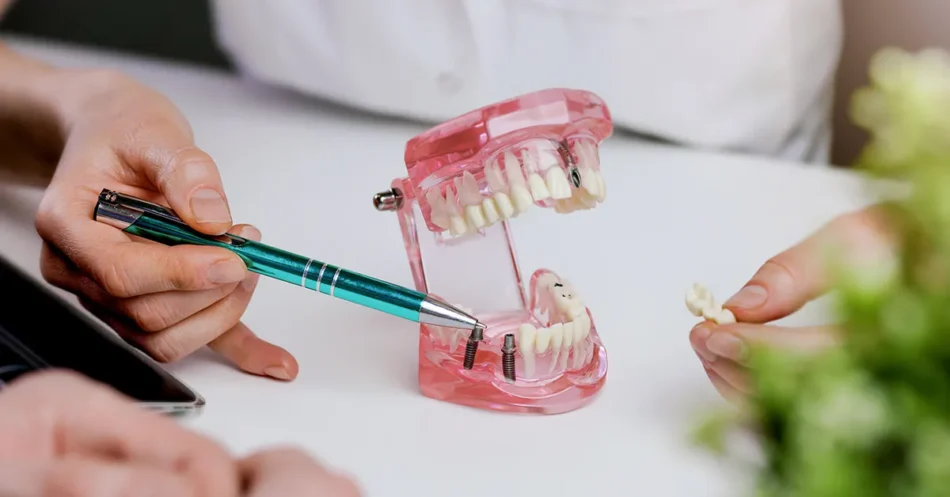
The name says it all: four strategically placed titanium implants support a full arch of prosthetic teeth. Two implants are placed vertically at the front of the jaw, and two are angled at the back — typically at 45 degrees. This angled placement maximizes contact with available bone, which is why All-on-4 often works even for patients who have experienced some degree of bone loss and were previously told they weren’t implant candidates.
Once the implants are placed, a temporary prosthesis is usually attached the same day. Over the following months, the implants fuse with the jawbone through a process called osseointegration. When healing is complete, a permanent, custom-crafted arch is secured in place — one that doesn’t come out at night and doesn’t require adhesive to stay put.
You can explore the full details of this treatment on our All-on-4 implants service page, which outlines what the procedure involves and what patients can expect at each stage.
All-on-4 vs. Traditional Dentures: Key Differences
- Stability: All-on-4 implants are fixed in the jaw; dentures rest on the gums and can shift.
- Bone preservation: Implants stimulate the jawbone the way natural tooth roots do, helping prevent the bone loss that typically follows tooth loss.
- Diet: With All-on-4, most patients return to eating a wide variety of foods, including many they had avoided for years.
- Maintenance: You brush and care for All-on-4 teeth much like natural teeth — no soaking, no adhesives.
- Appearance: The prosthetic arch is custom-made to complement your facial structure, often producing a more natural look than conventional dentures.
Who Is a Good Candidate for All-on-4?
All-on-4 implants are designed for adults who are missing all or most of their teeth on one or both arches, or who have teeth that are failing and will need to be removed. You may be a strong candidate if you:
- Wear full or partial dentures and find them uncomfortable or unreliable
- Have experienced significant tooth loss due to decay, gum disease, or injury
- Have been told you lack sufficient bone for traditional implants
- Are in good general health and do not smoke (or are willing to quit, as smoking can affect healing)
A thorough evaluation — including X-rays and a review of your medical history — is the only way to know for certain whether All-on-4 is right for you. Our team also offers flexible payment and financing options to help make the investment more manageable. If you’re curious whether your situation fits the profile, the companion post 7 Signs You May Need All-on-4 Dental Implants walks through the most common indicators in detail.
The All-on-4 Treatment Process at Kimberly Smiles
Every All-on-4 journey begins with a comprehensive consultation. We take time to understand your oral health history, your goals, and any concerns you have before recommending a treatment plan. From there, the general process looks like this:
- Consultation and imaging: We assess your bone density, gum health, and overall oral condition.
- Treatment planning: We map out implant placement and design your prosthetic arch.
- Implant surgery: The four implants are placed under local anesthesia; sedation options are available for anxious patients.
- Temporary arch: In most cases, a temporary set of teeth is attached the same day so you leave with a functional smile.
- Healing period: Over several months, the implants integrate with the bone. Regular check-ins monitor your progress.
- Final restoration: Your permanent, custom arch is secured — built to last for many years with proper care.
Recovery is a topic many patients ask about. The post What to Expect During All-on-4 Recovery in Chicago covers the healing timeline, what to eat, and how to manage discomfort in the days and weeks after surgery.
All-on-4 and the Broader Picture of Smile Restoration
All-on-4 is one of the most comprehensive solutions in restorative dentistry, but it’s part of a wider family of dental implant options available in Chicago. Depending on your needs, your provider may also discuss alternatives such as All-on-6 — a topic explored in the sibling post All-on-4 vs All-on-6 Dental Implants: Which Is Right for You? For patients who need to weigh their choices, our current specials page lists any active promotions on implant consultations and new patient visits.
Frequently Asked Questions
How long do All-on-4 dental implants last?
With good oral hygiene and regular dental visits, the implants themselves can last many decades — potentially a lifetime. The prosthetic arch may need to be replaced or adjusted over time due to normal wear, but the underlying implants are designed for long-term durability.
Is the All-on-4 procedure painful?
The surgery is performed under local anesthesia, so you should not feel pain during the procedure. Afterward, some soreness, swelling, and mild discomfort are normal and typically managed with over-the-counter or prescribed pain relief. Most patients report that the recovery is more comfortable than they anticipated.
Can I get All-on-4 if I have bone loss in my jaw?
This is one of the key advantages of All-on-4. The angled rear implants are designed to engage denser areas of bone, making the procedure possible for many patients who do not have enough bone volume for traditional implant placement. A clinical evaluation will confirm whether you qualify.
How is All-on-4 different from snap-in dentures?
Snap-in dentures (also called implant-supported overdentures) attach to implants but are still removable. All-on-4 implants support a fixed arch that is permanently secured and does not come out. This generally provides greater stability, a more natural feel, and better long-term bone preservation.
How much do All-on-4 implants cost in Chicago?
The cost varies depending on the complexity of your case, the materials used, and whether any preparatory procedures are needed. While All-on-4 is a significant investment, many patients find it more cost-effective over time than maintaining failing teeth or replacing dentures repeatedly. Our team is happy to walk you through financing options during your consultation.
Ready to Learn If All-on-4 Is Right for You?
If you’re tired of hiding your smile or struggling with teeth that no longer serve you well, All-on-4 dental implants could be the turning point you’ve been looking for. The team at Kimberly Smiles in Wicker Park, Chicago is here to answer your questions, evaluate your options, and help you move forward with confidence. Request a consultation appointment today — your new smile may be closer than you think.